Wearing it
Nickel, steel and skin
If earrings leave a red ring and a watch back leaves a rash, the usual culprit is nickel rather than the metal named on the box. Here is what the clinic literature says, and what we can and cannot tell you about our own pieces.
What the reaction is
The rash people call a metal allergy is usually one specific allergy, and it is common enough that the clinic literature treats it as the default explanation for jewellery trouble.
Nickel allergy is an immune system reaction to nickel that usually causes an itchy rash where the metal comes in contact with the skin.Mayo Clinic, Nickel allergy, read 3 September 2026
Why earrings first
Piercings put metal under the skin instead of on it, so the reaction shows up there before anywhere else. The same source names earrings directly and lists piercing as a risk factor rather than a coincidence.
Nickel allergy is most often associated with earrings and other body-piercing jewelry containing nickel.Mayo Clinic, Nickel allergy, read 3 September 2026
What the clinic suggests wearing
The advice is specific about materials rather than about brands, and stainless steel is on the list along with titanium and higher-karat gold.
Look for jewelry made from such metals as nickel-free stainless steel, surgical-grade stainless steel, titanium, 18-, 22- or 24-karat yellow gold, nickel-free white gold, or sterling silver.Mayo Clinic, Nickel allergy, read 3 September 2026
Steel earrings in the range
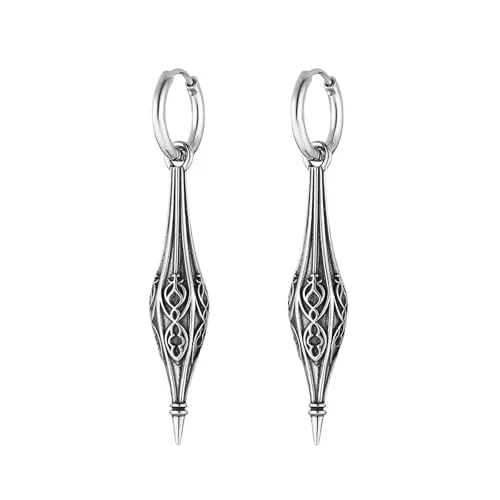
Spike Dangle Earrings, stainless steel
4.9 out of 5 from 21 ratings
$18.99

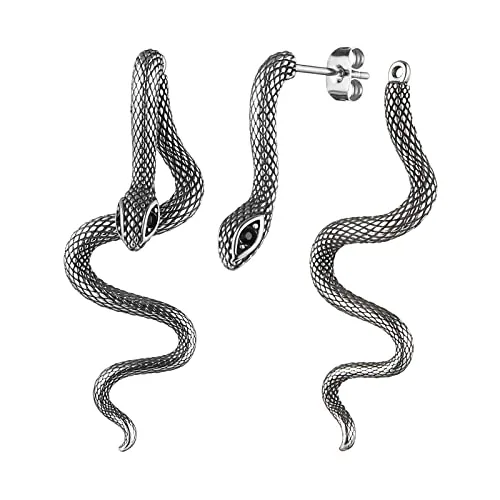
Snake Stud Earrings, stainless steel
4.5 out of 5 from 477 ratings
$17.99
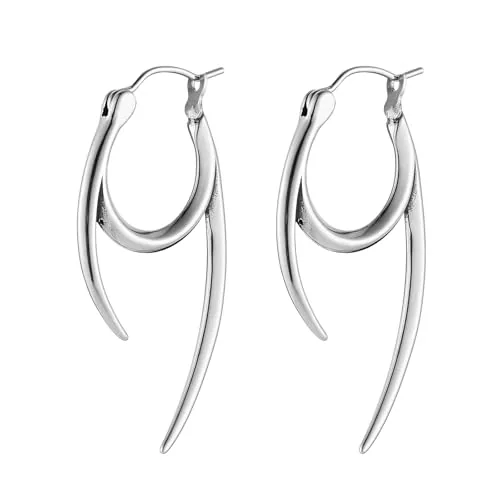
Spike Hoop Earrings, stainless steel
4.6 out of 5 from 117 ratings
$17.99
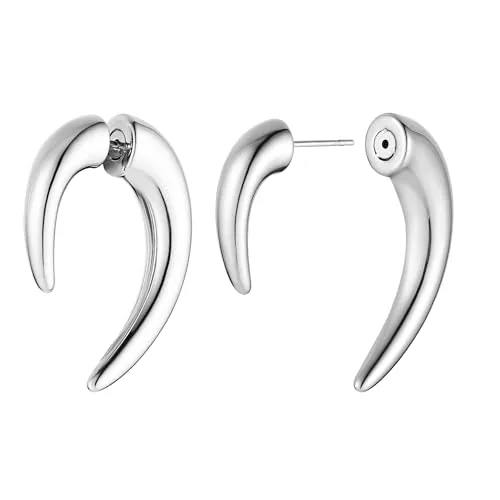
Dragon Claw Stud Earrings, stainless steel
4.4 out of 5 from 39 ratings
$17.99
What we can say about these pieces
421 of the 562 pieces in the HZMAN catalogue are steel or steel with plating over it, and 48 of them are earrings. Where a maker states hypoallergenic or names a steel grade, the specification on that page repeats their wording and marks it as theirs.
What we do not do is turn that wording into a medical claim of our own. Austenitic stainless steel contains nickel by composition, bound in the alloy rather than free on the surface, and how much reaches skin depends on the piece, the finish and the person wearing it. Nobody can answer that from a product page.
The practical version: if plated earrings have caused trouble before, the post is the part to look at, because that is where plating wears first and where the metal spends the most time inside you.
Three habits that help
Take pieces off before a shower. Soap and shampoo leave a film under a ring or a bangle that keeps moisture against skin for hours.
Dry a leather cuff and a beaded bracelet away from a radiator. Fast drying stiffens leather and shrinks cord, and a tight cord traps sweat exactly where a reaction starts.
Give new piercings the plain steel option first and save the plated pair for occasions, at least until the skin has settled.
This is not medical advice
Everything above is general information from the sources listed below, read on the date shown. It is not a diagnosis and it is not a substitute for a doctor or a dermatologist. If a rash spreads, blisters, or does not clear once you stop wearing the piece, that is a question for a clinician rather than a jewellery catalogue.
Sources
- Nickel allergy: symptoms and causes, Mayo Clinic, read 3 September 2026
- 16 CFR § 23.11, corrosion and rust wording, Federal Trade Commission, read 3 September 2026